
As part of the N-GREEN project, a series of focus groups—referred to as N-GREEN Talks—were organised in each partner country to gather insights from experts, practitioners, and civil society organisations working at neighbourhood level.
These discussions aimed to identify the needs, challenges, and opportunities related to promoting environmental sustainability through participatory approaches. The outcomes of the N-GREEN Talks will directly inform the development of the N-GREEN Toolkit, a practical resource designed to support organisations in implementing local sustainability actions.
Italy: Sustainability as a Social and Local Process
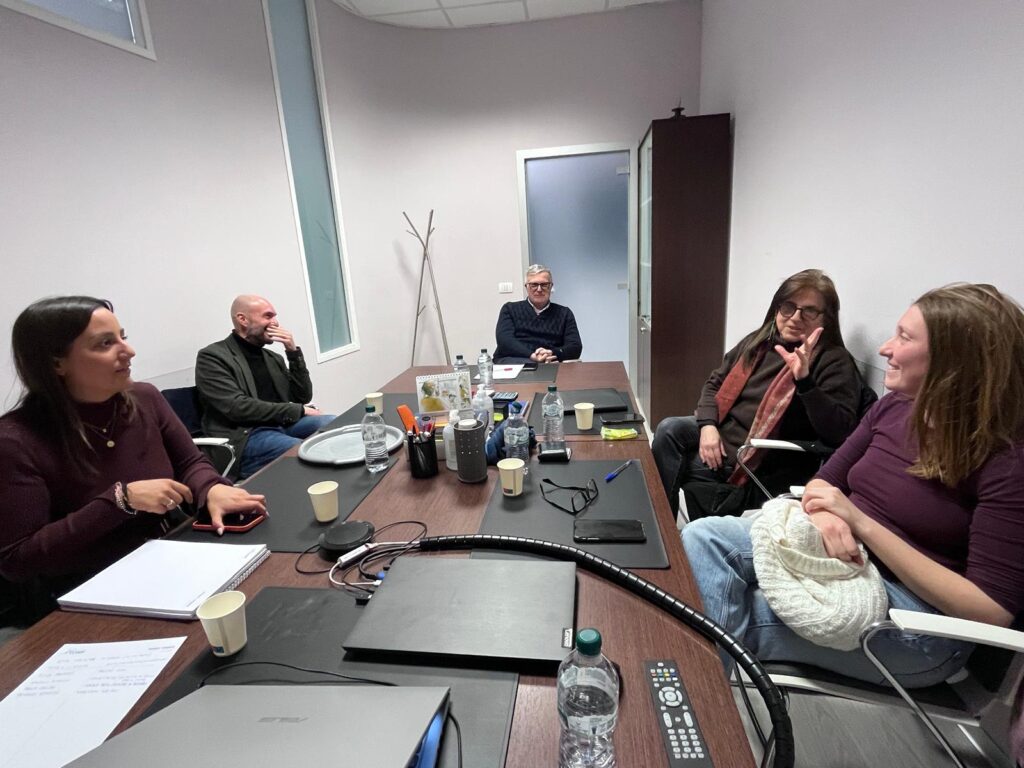
The Italian N-GREEN Talk conducted by the project coordinator, FANO AL CENTRO, brought together professionals from environmental associations, urban planning, education, and community initiatives. The discussion highlighted a strong understanding of sustainability as a combination of environmental and social dimensions, closely linked to quality of life and community well-being.
A key takeaway was the importance of starting from the local context. Participants emphasised that effective sustainability actions must be rooted in a deep understanding of the neighbourhood, including its specific challenges, resources, and social dynamics.
Another important insight was the role of communication and awareness. Sustainability concepts are often perceived as abstract, and participants stressed the need to make them more accessible, concrete, and relevant to everyday life.
The discussion also underlined the importance of participation and relationship-building. Engaging citizens requires trust, continuous interaction, and the ability to connect sustainability to shared community interests.
Spain: From Participation to Real Engagement
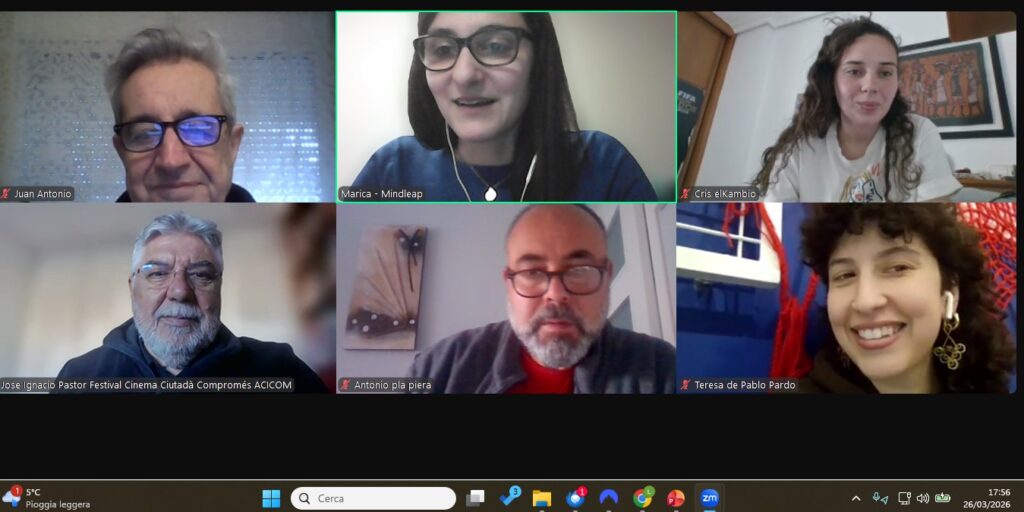
The Spanish N-GREEN Talk, conducted by the Spanish organization MINDELAP S.L., focused on the quality of participation and the challenges of meaningfully engaging citizens.
Participants highlighted that, while participation is often encouraged, it is not always genuinely implemented. In many cases, citizens and volunteers are involved only at an operational level, without being included in decision-making processes. This can lead to frustration and disengagement.
A key message from the discussion was the need to move from symbolic participation to real co-creation, where communities are actively involved in shaping solutions and actions.
Communication was also identified as a critical factor. Given the diversity of target groups, it is essential to adopt adaptive and inclusive communication strategies, ensuring that messages are accessible and relevant for different audiences.
Finally, participants stressed the importance of empowerment and critical awareness, particularly in relation to issues such as sustainable consumption and greenwashing. Helping citizens understand the impact of their actions and critically interpret sustainability messages is seen as fundamental.
Denmark: Bridging the Gap Between Awareness and Action
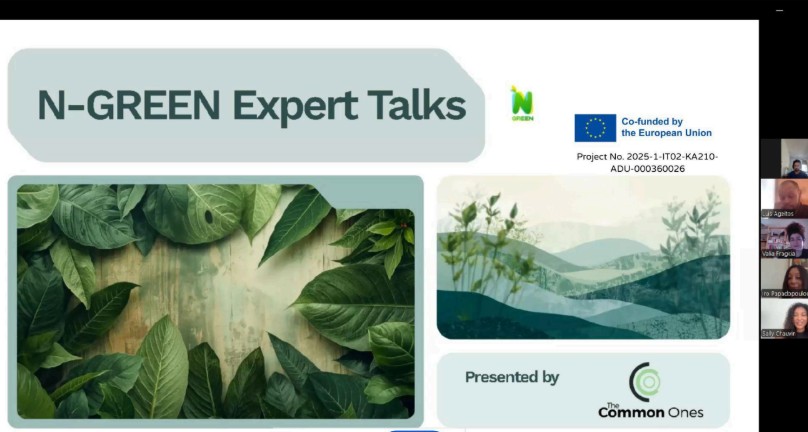
The Danish N-GREEN Talk, conducted by the Danish organization THE COMMON ONES, provided valuable insights into the challenges of transforming awareness into concrete and sustained action.
Participants noted that many communities are motivated and interested in sustainability, but often lack clear guidance on how to act. Questions such as who to contact, what steps to take, and how to maintain momentum are common barriers.
Another key issue discussed was the complexity of tools and data related to sustainability. Many existing resources are too technical or inaccessible for community-level actors, limiting their ability to engage effectively.
The discussion also highlighted the importance of maintaining engagement over time. Long-term initiatives require visible progress, clear structures, and simple tools to help communities stay motivated and involved.
Finally, participants emphasised the need to better connect informal community initiatives with formal institutional frameworks, enabling more effective collaboration and impact.
Key Cross-Cutting Insights
Across all countries, the N-GREEN Talks revealed a shared set of priorities:
- There is a strong need for simple, actionable, and user-friendly resources
- Sustainability must be approached as a local and participatory process
- Effective action requires moving from awareness to implementation
- Community engagement and trust are essential for success
- Communication must be clear, accessible, and adapted to different audiences
- Practical tools and step-by-step guidance are crucial to support organisations
From Insights to Action: The N-GREEN Toolkit
The findings from the N-GREEN Talks will play a central role in shaping the N-GREEN Toolkit, ensuring that it responds directly to the real needs of organisations working at neighbourhood level.
The Toolkit will provide:
- Practical guidance for designing and implementing sustainability actions
- Tools for community engagement and participation
- Strategies for communication and behaviour change
- Real-life examples and transferable practices
The project partners are now working on the development of the Toolkit content, building on the insights collected during the N-GREEN Talks.